
Wilson County Clerk Records
North Carolina uses a unified Clerk of Superior Court structure rather than separate county and district clerk offices for court files. In Wilson County, the Clerk of Superior Court is the office for criminal records, civil case files, estates and special proceedings, judgments, liens, foreclosure records, eviction records, divorce judgments, audio recording requests, and certified or plain court copies. The state court structure map identifies no secondary clerk page for this county.
The official Wilson contact directory names the office and section phone lines but did not name a current clerk on the main contact page captured for this build. Research also noted that Caroline F. Quinn had been listed on taxonomy pages as Clerk of Superior Court, then was appointed on July 1, 2025 to District Court District 8 after serving as Wilson County Clerk of Superior Court. Because of that change, the page uses the office name rather than naming an individual clerk.
Wilson County Clerk of Superior Court
Wilson County Courthouse
115 E Nash St.
Wilson, NC 27894
(252) 206-3000
Civil and Estates: (252) 206-3003
Email: Wilson.clerk@nccourts.org
Mail: PO Box 1608, Wilson, NC 27894
The Wilson County court contact directory is the official source for clerk, civil, criminal, estates, magistrate, judge, DA, and Guardian ad Litem routing.
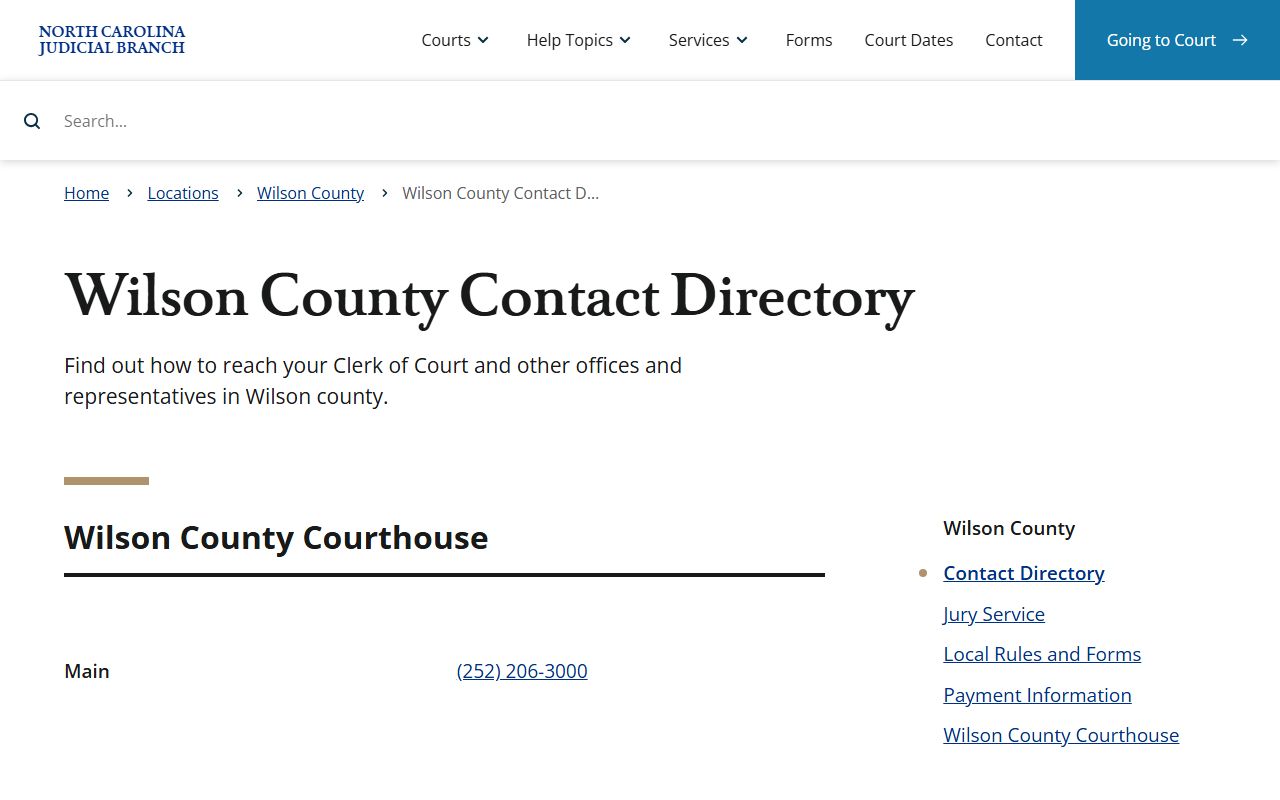
The contact directory matters because Wilson County court records can route to different clerk sections depending on the case type.
Wilson County Clerk Duties
The Clerk of Superior Court keeps the local court files for Wilson County while the state Judicial Branch runs the overall court system. The clerk's role is not the same as the Register of Deeds, District Attorney, sheriff, or public defender. The clerk maintains court records and copies, the District Attorney handles prosecution decisions, law enforcement manages incident reports and warrant channels, and the Register of Deeds handles marriage certificates, deeds, and most vital records.
- Maintain criminal, civil, family, special proceeding, estate, judgment, lien, foreclosure, eviction, and divorce judgment records.
- Provide public terminal access and paper-file review where records are open to inspection.
- Issue certified and plain copies of court documents for the applicable fee.
- Collect eligible court costs, fines, and traffic payments in person or by mail when allowed.
- Handle estate and probate functions as Clerk of Superior Court as ex officio Judge of Probate.
- Route users to statewide forms, eFiling, Portal, and Judicial Branch public-record procedures.
The clerk's record-keeping role is grounded in N.C.G.S. 7A-109, which addresses clerk-maintained records, files, dockets, and indexes.
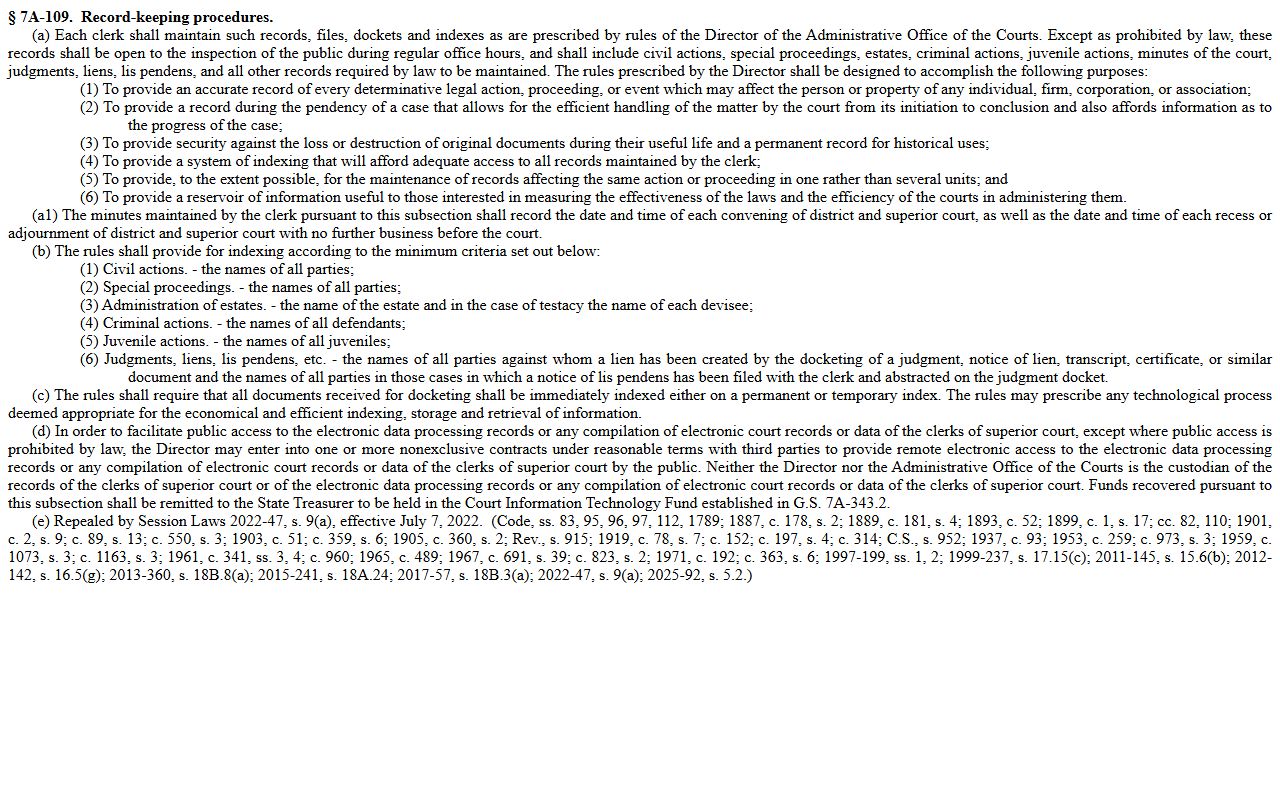
That statute supports public inspection of clerk records during regular office hours unless another law restricts access.
Access Wilson County Clerk Records
Wilson County clerk record access has several channels. Portal Smart Search is the public online path for case information. Search Hearings is the online path for court dates and hearings. NC Judgment Search is the judgment index. Public terminals at clerk offices can be used for criminal, civil, special proceeding, and estates case information. Paper files are viewed at the clerk's office in the county where the case is located.
For formal criminal background checks, the Judicial Branch says users should use the county clerk's office rather than relying on Portal alone. The single-county criminal record search uses AOC-CR-314 and has a fee listed in the research. For organizations needing broader data, Remote Public Access provides fee-based criminal and civil data in all 100 counties.
| Access channel | Best use | Wilson County note |
|---|---|---|
| Portal Smart Search | Case information and records | Filter by Wilson County under location. |
| Search Hearings | Court dates and hearing searches | Use county and hearing-type filters. |
| Public terminal | Criminal, civil, special proceeding, and estates case info | Available through clerk offices. |
| Paper file review | Complete local case file | Use the Wilson clerk when the case is filed in Wilson County. |
| RPA Cloud | Subscription or bulk access | Covers statewide criminal and civil data. |
Request Wilson Certified Copies
Certified copies are used when a plain printout is not enough. A certified divorce judgment, estate letter, civil order, criminal judgment, or other clerk-issued document shows that the copy came from the official court file. If a person only needs to read a case status or hearing date, Portal or a public terminal may be enough. If the document must be filed with another agency, school, employer, court, or benefits office, ask whether certification or a seal is required before paying for copies.
- Find the case number, party names, record type, and filing county through Portal, a hearing search, or prior paperwork.
- Contact the Wilson County Clerk of Superior Court or the proper section, such as civil, criminal, or estates.
- State whether the request is for a plain copy, certified copy, certificate under seal, or exemplified copy.
- Pay the copy and certification fees using an accepted payment method for the channel used.
- Review the document before leaving or before using it to confirm that the case number and parties match the needed record.
Wilson Clerk Request Fields
The research captured the NCAOC public-record request form fields and the court-record request details needed for clerk copies. NCAOC public-record requests are for branch records and cannot certify case documents. Court case files and certified copies still route through the clerk and case-file procedures. Include enough detail for staff to identify the exact record without broad guessing.
| Field | Required | Notes |
|---|---|---|
| Name of requester | Yes | Shown in Section A of the NCAOC public-record request form. |
| Phone and email | Yes | Used for follow-up if the request is unclear. |
| Mailing address | Yes | Includes street, city, state, and ZIP fields. |
| Case number | Best practice | Needed for precise court-copy requests when available. |
| Party names | Best practice | Use full names and approximate filing dates when the case number is unknown. |
| Document type | Yes for copies | Examples include judgment, order, divorce decree, letters, inventory, or audio recording request. |
| Certification type | If needed | State whether plain, certified, sealed, or exemplified copy is required. |
Wilson County Clerk Fees
Wilson County clerk fees come from statewide Judicial Branch fee schedules and statutes. Copy fees and certification charges apply to court documents. Payment rules vary by mail, in person, and online payment routes. The Wilson payment information states that mail payments must be money order or certified check, payable to Wilson County Clerk of Superior Court, mailed to the courthouse PO Box. No cash and no personal checks are accepted by mail.
| Item | Amount or rule |
|---|---|
| Clerk copies | $2 first page plus $0.25 each additional page |
| Certificate under seal | $3 |
| Exemplification | $10 |
| NCAOC public-record copy | $0.25 per page, not certified case documents |
| Single-county criminal record search | $25 through Clerk of Superior Court |
| RPA one-time connection fee | $495, includes two user IDs and two admin IDs |
| RPA additional user ID | $70 one-time fee |
| RPA transaction fee | $0.39 per transaction, billed monthly |
| RPA late fee | $75 if invoice unpaid within 30 days |
Wilson Clerk Forms
Statewide forms are searched through the Judicial Branch forms database. Useful forms named in the research include AOC-CR-314 for criminal record search, AOC-G-114 for audio recording requests, AOC-E estate forms, expunction petition forms, civil summons forms, and general court forms. Wilson County local rules and forms may also be available by contacting courthouse personnel through the Wilson contact directory.
The Judicial Branch forms search lets users search by keyword, General Statute, form number, form title, and form type or category.
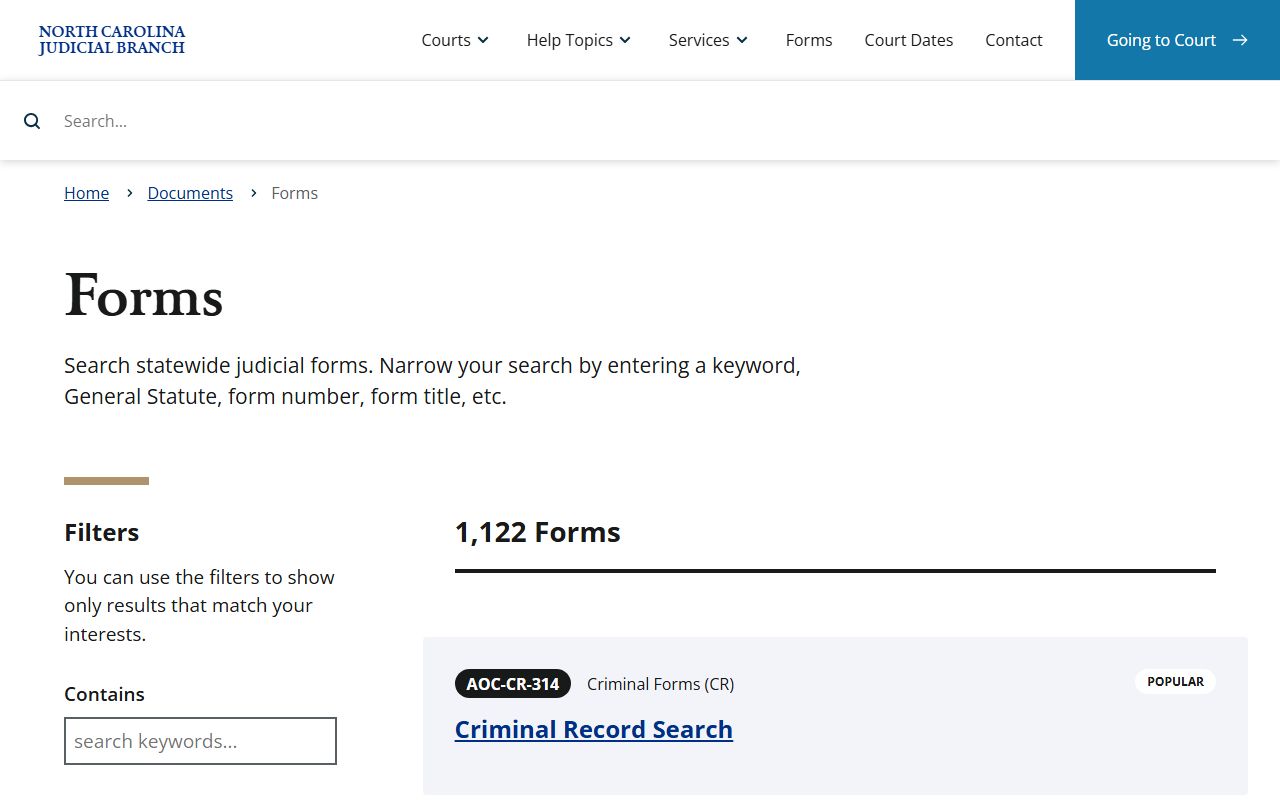
That forms search is important because Wilson County uses statewide AOC forms for many record, estate, criminal, and civil procedures.
Wilson Clerk Public Access
North Carolina public access rules are split by record source. Clerk-maintained court records are governed by court-record statutes such as N.C.G.S. 7A-109. Non-court agency records fall under Chapter 132, the North Carolina Public Records Act. The practical result in Wilson County is that a court file, sheriff incident report, police report, marriage certificate, and deed can all be public in some sense, but they do not come from the same office or the same request form.
The North Carolina Public Records Act statute index applies to non-court agency records and helps explain why law enforcement and county-office requests differ from clerk case-file requests.
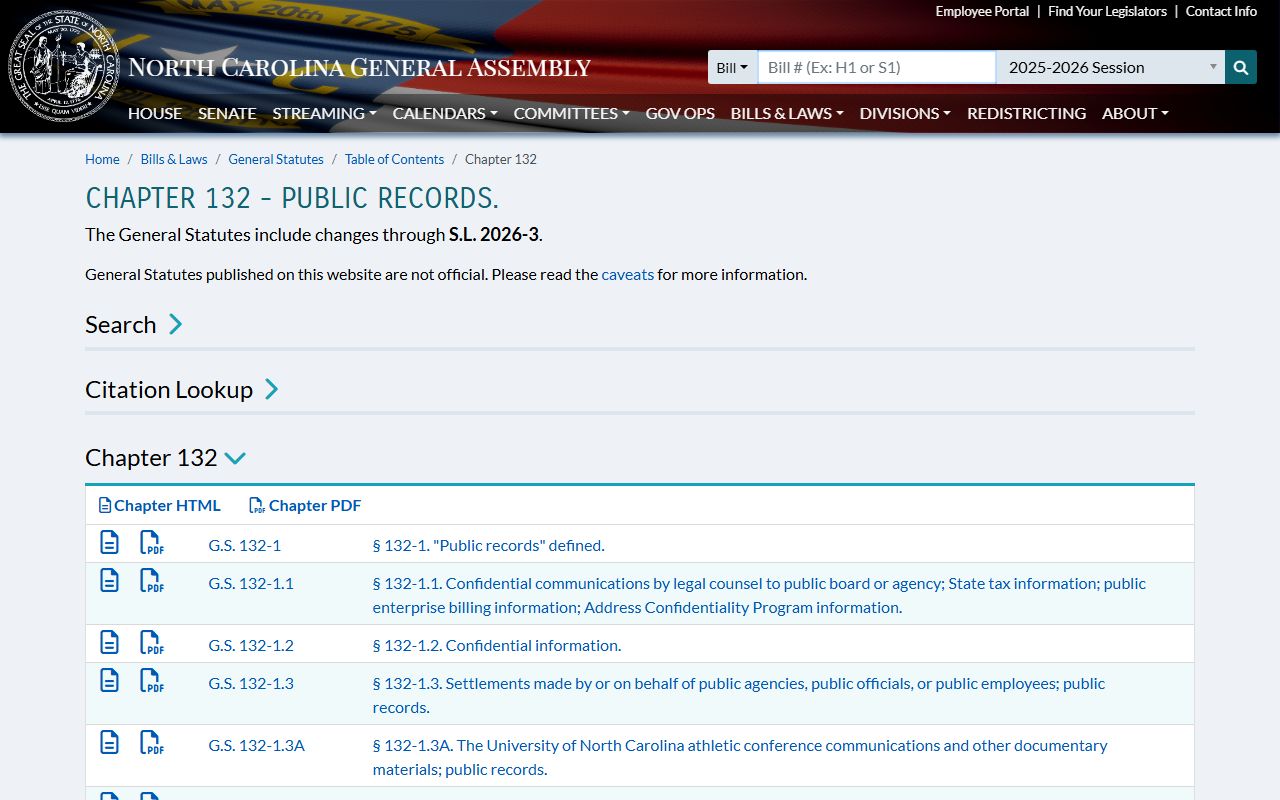
For Wilson County users, the key point is routing: court case files go to the clerk, while non-court public records use agency channels.
Note: NCAOC public-record requests cannot certify local case documents; certified case copies come from the clerk file.
Restricted Wilson Clerk Records
The clerk keeps many public court records, but several categories are restricted by statute or court order. Juvenile records are withheld from public inspection except through statutory access or court order. Adoption records are sealed or confidential. Involuntary commitment and mental-health records can be confidential. Expunged or sealed records should not appear as ordinary public records. Social Security numbers, financial account numbers, minor names, and safety-sensitive information may be redacted or protected.
The North Carolina juvenile records statute is a major example of a clerk-held record category that is not open like an ordinary adult case file.
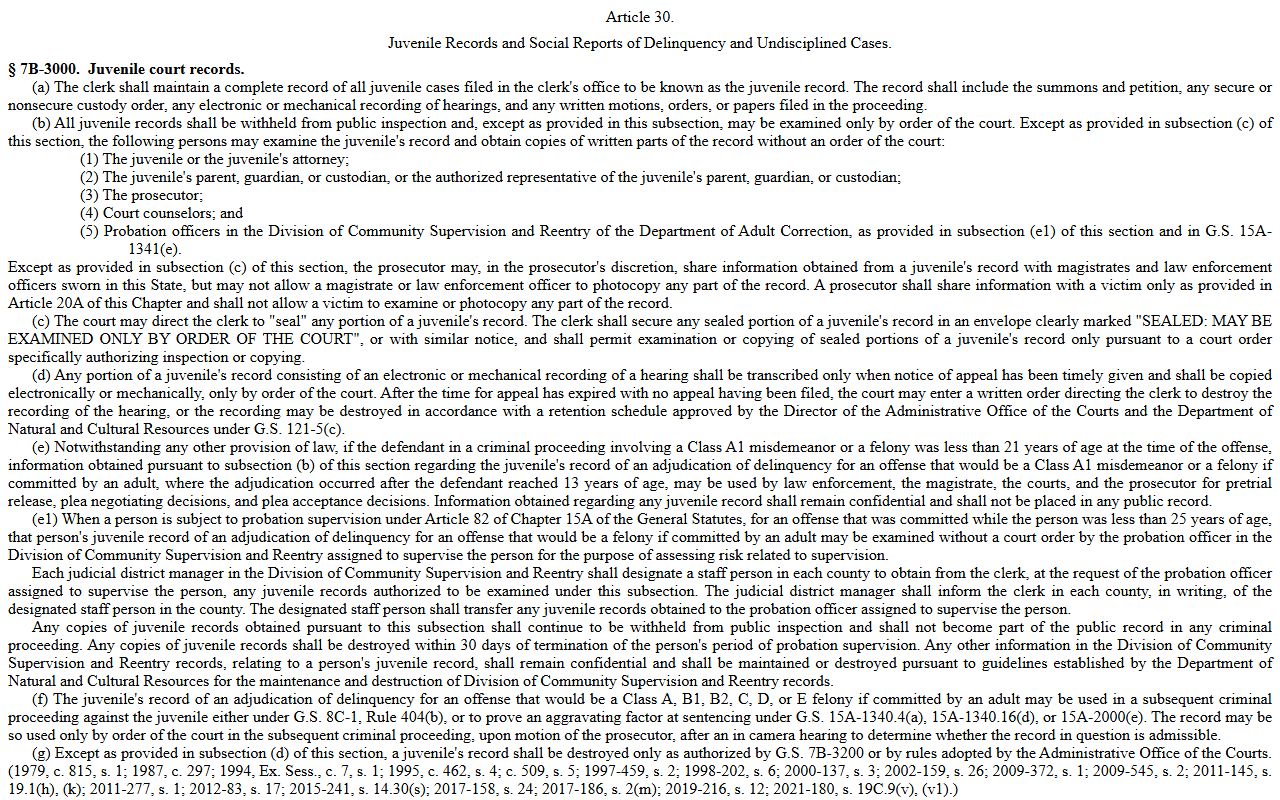
That confidentiality rule is one reason a name search can show less information than a full public adult civil or criminal file.
Wilson Clerk Online Access
Wilson County joined North Carolina eCourts Track 8 on April 28, 2025, bringing eFiling, Portal, and Enterprise Justice to the county. Portal Smart Search, Search Hearings, Make Payments, and NC Judgment Search are the main public online tools. Portal has limits: JavaScript and cookies are required, CAPTCHA appears every ten minutes, and some documents or older paper materials still require clerk review.
The Remote Public Access online access page explains the subscription route for statewide criminal and civil data.
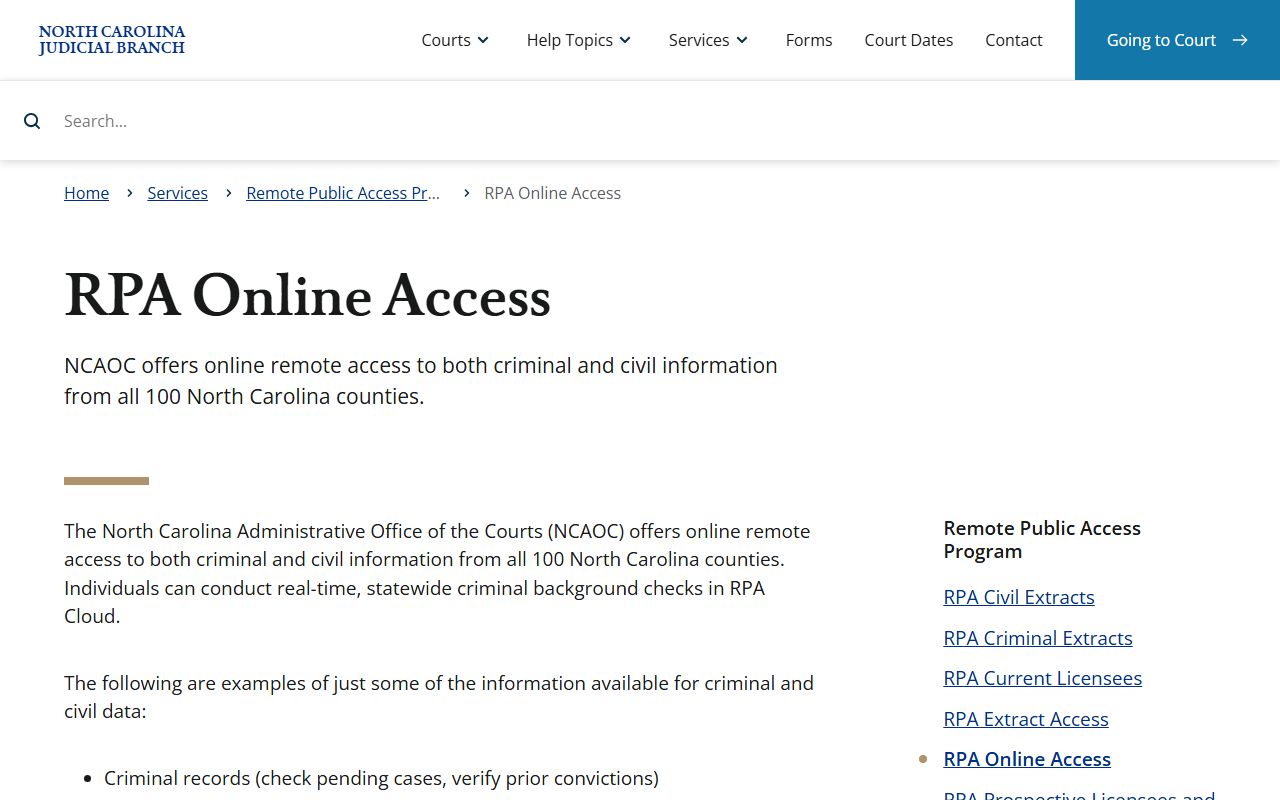
RPA is separate from one-time public Portal searches and is better suited to organizations that need repeated data access.
Clerk Versus Register of Deeds
The most common Wilson County routing error is sending marriage, deed, or vital-record requests to the Clerk of Superior Court. Birth certificates, death certificates, marriage certificates, marriage licenses, real estate records, deeds, deeds of trust, cancellations, plats, assumed names, powers of attorney, military discharges, and notary public records route through the Register of Deeds. Court proceedings affecting real estate, including foreclosures, evictions, partitions, condemnations, estates, divorces, judgments, and liens, route through the clerk.
For license or certificate issues, use the Wilson County marriage and divorce records route. For case files, certified judgments, estates, and paper court files, use the Clerk of Superior Court. The offices sit close together downtown, but the records and fees are distinct.